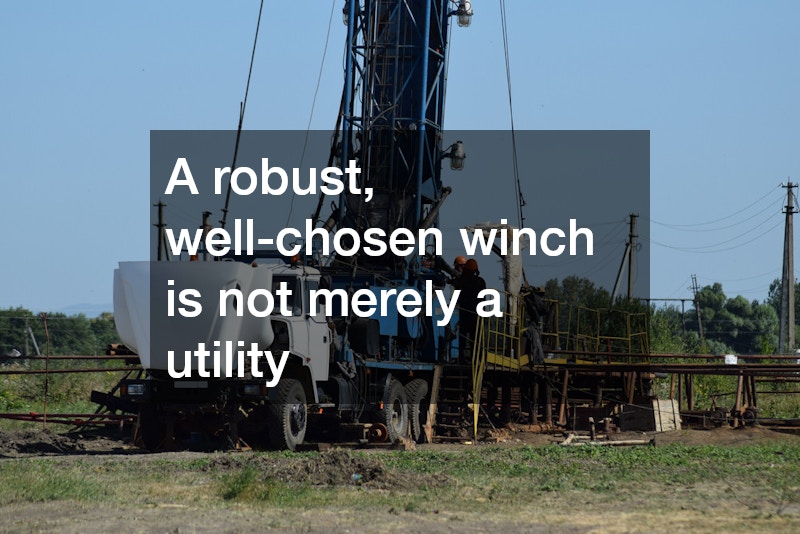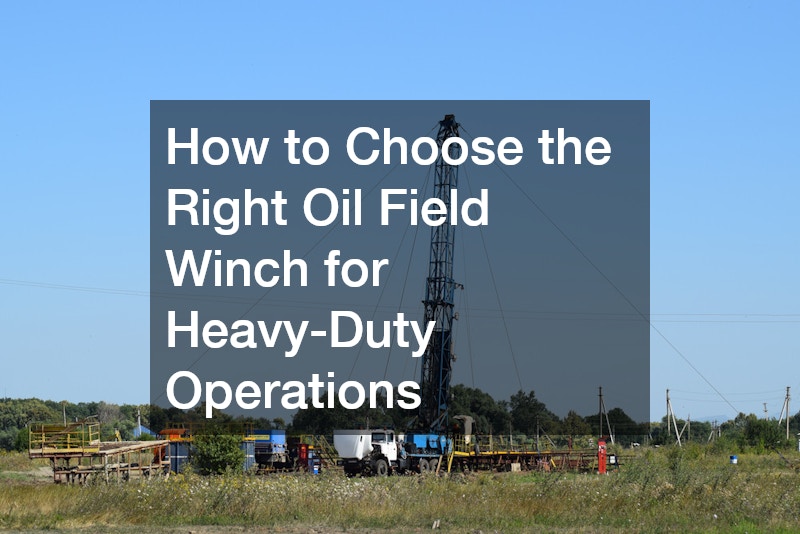
In the high-stakes environment of upstream oil and gas operations, efficiency and safety hinge entirely on the reliability of your heavy machinery. Among these critical assets, the oil field winch stands out as an indispensable workhorse, responsible for everything from positioning drilling rigs and pulling heavy pipe strains to handling marine mooring lines and deploying pipeline infrastructure.
Selecting an inadequate winch system doesn’t just stall production schedules; it introduces severe operational hazards, potentially resulting in catastrophic equipment failures or workplace injuries. Conversely, an over-specified winch unnecessarily inflates capital expenditure and operational footprints. Achieving the perfect equilibrium requires a granular understanding of your application’s unique parameters, technical specifications, and ambient working environments.
This comprehensive guide breaks down the essential factors engineering and procurement teams must evaluate to secure the ideal oil field winch for heavy-duty applications.
Understand the Power Source: Hydraulic vs. Electric vs. Pneumatic
The primary mechanism driving your winch determines its torque delivery, control fidelity, and environmental suitability. While mechanical power take-off (PTO) systems exist, heavy-duty modern operations rely on three main architectures:
Hydraulic Winches
Widely considered the industry gold standard for high-capacity oil field tasks, hydraulic winches offer unparalleled power density. They deliver exceptionally smooth control over broad speed ranges and excel at continuous, high-duty-cycle operations. Because they rely on fluid pressure, they are inherently explosion-proof—an essential characteristic for hazardous zone ratings (such as ATEX or Class I, Division 1 areas) where volatile gases are common.
Electric Winches
With advancements in Variable Frequency Drive (VFD) technology, electric winches have closed the performance gap with hydraulics. They offer highly precise positioning, quiet operation, and a simpler maintenance profile due to the absence of fluid lines and pumps. However, to operate safely in explosive drilling atmospheres, they require specialized, certified explosion-proof enclosures, which can increase initial capital costs.
Pneumatic (Air) Winches
Driven by compressed air, pneumatic winches are robust, lightweight, and highly resistant to extreme ambient temperatures and dusty conditions. They are self-cooling and safe for hazardous environments, but they generally offer lower pulling capacities and lower energy efficiency compared to their hydraulic counterparts, making them better suited for auxiliary utility lifting rather than primary heavy-duty rig moving.
Operational Pro-Tip: Always map your site’s infrastructure before choosing a power drive. A heavy-duty hydraulic winch is only as good as the Hydraulic Power Unit (HPU) feeding it; ensure your rig has the flow rate and pressure capacity to sustain peak winch demands.
Calculate Load Requirements: Line Pull and Holding Capacity
Miscalculating load metrics is the most frequent cause of premature winch failure. Engineering teams must rigorously distinguish between two foundational ratings: rated line pull and structural brake holding capacity.
-
Rated Line Pull: This is the maximum pulling force the winch can safely exert on a single line. Crucially, line pull decreases as layers of wire rope build up on the drum. Manufacturers typically rate a winch based on the bare drum (the first layer of rope closest to the core). As more layers accumulate, the effective radius increases, reducing the mechanical advantage and torque output. Your calculations must account for the maximum load required at the top layer of the drum during operations.
-
Brake Holding Capacity: This defines the maximum static force the winch braking mechanism can withstand without slipping while holding a load stationary. For heavy-duty lifting and rig-up procedures, safety regulations often dictate that the braking capacity must be at least 1.5 times the rated line pull.
Environmental Conditions and Material Resilience
Oil field winches operate in some of the most unforgiving environments on the planet, ranging from the sub-zero tundra of North American shale plays to the corrosive, salt-laden marine air of offshore deepwater platforms. Your material specifications must mirror these challenges:
-
Thermal Resilience: For arctic deployments, specify low-temperature steel components and specialized low-viscosity lubricants to prevent structural embrittlement and hydraulic freezing.
-
Corrosion Protection: Offshore units demand marine-grade epoxy coatings, stainless steel fasteners, and zinc-anode cathodic protection to withstand constant saltwater exposure.
-
Ingress Protection: Sealed bearings and IP66/IP67-rated enclosures prevent fine desert sand or heavy drilling mud from fouling internal gears and braking systems.
Choosing the right oil field winch requires balancing power type, load capacity, mechanical spooling, and environmental resilience. By conducting a meticulous review of your operational cycle, safety margins, and local site infrastructure, you ensure that your asset provides reliable performance for years to come. In the oil and gas sector, a robust, well-chosen winch is not merely a utility—it is the baseline asset that keeps your entire operation moving safely and efficiently forward.