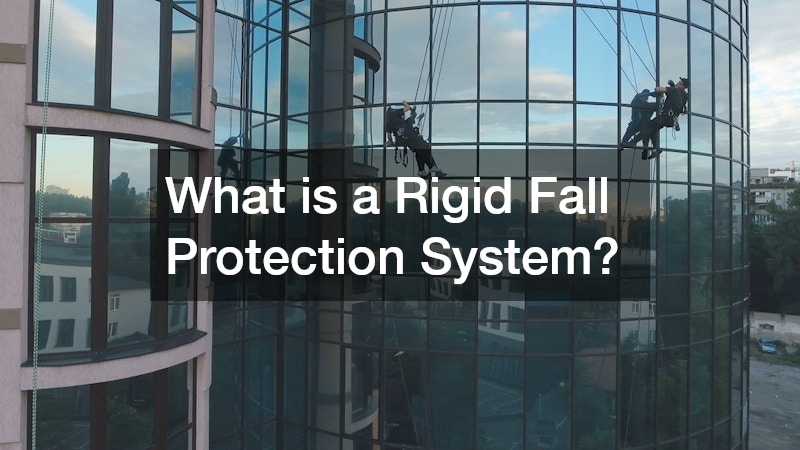
Fall protection systems are critical components in maintaining safety in environments where workers are operating at heights. These systems are designed to prevent falls or, in worst-case scenarios, arrest the fall to minimize injury. Among the various types of fall protection systems, the rigid fall protection system stands out due to its unique structure and benefits.
A rigid fall protection system is an engineered solution consisting of a solid track or rail, which provides a secure attachment for personal fall arrest systems. These systems are typically installed in settings such as construction sites, factories, and other industrial environments where the risk of falling from a height is significant.
The system is designed to be both flexible and robust, ensuring workers’ safety without constricting their movements.
The importance of understanding the different components and capabilities of a fall protection system cannot be overstated. It is crucial for employers to assess the specific needs of their environment to appropriately implement the most effective system. Failing to implement a suitable fall protection system can lead to severe accidents, financial losses, and legal implications, making the choice of system paramount for safety and compliance.
Components of a Rigid Fall Protection System
The primary component of a rigid fall protection system is the track or rail, which is fixed in place to create a secure pathway for attachment points. This track can be configured in various ways, such as curved, straight, or even inclined, depending on the specific needs of the workspace. The tracks are typically manufactured from materials like aluminum or steel, chosen for their durability and strength.
Along with the rigid tracks, these systems also incorporate trolleys or shuttle devices that move along the track. These devices are critical, as they allow the worker to maintain uninterrupted movement while staying attached to the safety line. The design of the trolley ensures it can easily accommodate curves or changes in track direction without compromising safety, which is a substantial advantage over some other systems.
Lastly, personal fall arrest equipment, such as harnesses and lanyards, forms an integral part of the system. The harness is worn by the worker and connected to the trolley via a lanyard, ensuring that even if a fall occurs, the arrest equipment minimizes impact forces on the body. This entire assembly is meticulously engineered to both confer freedom of movement and protect against accidental falls efficiently.
Benefits of Using a Rigid Fall Protection System
Rigid fall protection systems offer several noteworthy benefits that make them a preferred choice in many industrial applications. One of the significant advantages is their ability to provide continuous protection without impeding the movement of workers. This is particularly critical in dynamic work environments where freedom of movement is essential for productivity and efficiency.
Additionally, these systems tend to require less maintenance compared to their flexible counterparts. The sturdy construction ensures longevity and stability, which not only reduces wear and tear but also lowers operational costs over time. This reduction in maintenance demands results in less downtime for repairs and allows workers to focus on their tasks without interruptions related to safety equipment checks.
The reliability of rigid fall protection systems in arresting falls quickly and effectively reduces the risk of serious injury, which is an absolute priority in occupational safety. These systems have been shown to drastically lower the probability of fall-related incidents in workplaces, contributing to a safer working environment. Enhanced safety translates to improved employee morale and can also positively influence insurance premiums and regulatory compliance.
Applications of Rigid Fall Protection Systems
Rigid fall protection systems find widespread use across various industries, including construction, aviation, manufacturing, and shipping, among others. Each of these industries poses unique challenges in terms of worker safety at heights, making the adaptability of rigid systems a significant asset. The ability to customize tracks and rails to fit specific site layouts demonstrates the system’s versatility.
In manufacturing plants, for instance, the rigid systems are utilized in areas such as loading bays or assembly lines where workers are frequently elevated above standard ground levels. Similarly, in construction, these systems can be installed on scaffolding or structural beams to secure workers as they perform tasks at various heights. The GDP of the construction industry heavily relies on the effectiveness of safety systems like these, ensuring uninterrupted project completion.
The aviation industry also benefits greatly from the implementation of rigid fall protection systems, particularly in hangars where aircraft maintenance demands workers to operate high above ground. Given the regulations and protocols required for aircraft maintenance, ensuring the safety of these workers with reliable fall protection is paramount. Hence, the adaptability and robustness of rigid fall protection systems ensure they remain a staple in industrial safety across sectors.
Investing in a rigid fall protection system is an essential step for any industry that involves working at heights. These systems not only ensure the safety of workers but also enhance productivity by allowing for unobstructed movement within the safety parameters of the workplace. It’s imperative to select the right fall protection system tailored to specific operational needs, as this decision could significantly impact workplace safety and compliance.
With advancements in engineering and materials, rigid fall protection systems continue to evolve, offering even greater safety and ease of installation. Employers are encouraged to stay abreast of these developments to enhance their safety protocols effectively. The decision to implement such a system should always come from rigorous risk assessment and an informed understanding of the environment in which it will be used.
Ultimately, a rigid fall protection system is a proactive investment in safety, reducing the risk of accidents and ensuring that employees return home safely at the end of each workday. As industries continue to push the boundaries of construction and manufacturing, robust safety solutions like these play a crucial role in supporting innovation and growth sustainably and responsibly.