Few issues disrupt a business faster than a plumbing emergency. Water damage spreads quickly, operations grind to a halt, and repair costs can escalate before the root cause is fully understood. A burst pipe can shut down entire floors. A sewer backup can force temporary closures. Even the loss of hot water can impact employees, customers, and regulatory compliance.
While these situations often feel sudden, plumbing emergencies in commercial buildings are rarely unpredictable. In most facilities, problems develop gradually. Pipes corrode, buildup accumulates, pressure fluctuates, and components wear down over time. Warning signs often appear weeks or months before a major failure — but they’re easy to overlook when systems appear to be “working well enough.”
Preventing plumbing disasters in commercial environments isn’t about luck or constant monitoring. It’s about understanding how building systems operate, recognizing early indicators of failure, and taking proactive steps before minor issues escalate into business-impacting emergencies. This guide explains how plumbing problems start, what facility managers should watch for, and when to act to protect operations, assets, and budgets.
Stop Small Problems Before They Escalate Into Major Repairs
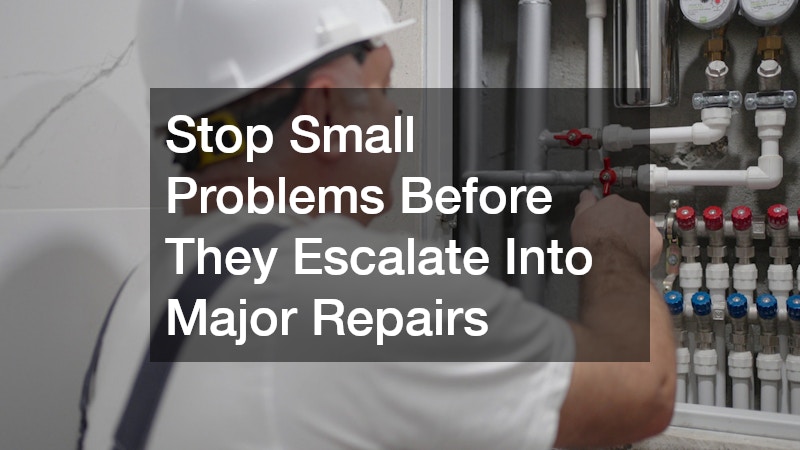
Some of the most expensive plumbing emergencies in commercial properties begin with issues that seem minor at first. A slow floor drain, an intermittent drip, or moisture near a utility room may not feel urgent, but these signs often indicate growing stress within the system. Over time, that stress compounds until failure occurs. Two common contributors in commercial buildings are neglected drain cleaning and unresolved leaky pipes.
Why Minor Symptoms Are Often Red Flags in Commercial Systems
Commercial plumbing systems operate under heavier usage and higher demand than residential systems. That means small disruptions can have system-wide consequences if ignored.
When one element is compromised, it affects everything downstream. A partial blockage increases internal pressure. That pressure accelerates wear on joints and seals. Over time, weakened connections allow moisture to escape, damaging walls, floors, and structural components.
Common early warning signs in commercial properties include:
- Drains are emptying more slowly than normal across multiple fixtures
- Gurgling sounds from floor drains or restrooms
- Backups that clear temporarily but return
- Damp areas in mechanical rooms or near walls
- Peeling paint, warped flooring, or bubbling drywall
- Persistent musty or sewer odors
Each of these indicators points to an underlying issue that rarely resolves without intervention.
How Daily Operations Contribute to Plumbing Stress
Many plumbing problems in commercial buildings aren’t caused by defective materials — they’re caused by everyday operational habits that gradually strain the system. High-traffic restrooms, break rooms, kitchens, and production areas all increase wear.
Common contributors to stress include improper waste disposal, heavy grease buildup, excessive chemical use, and peak-time water demand. Implementing basic best practices — such as proper disposal training, routine inspections, and scheduled maintenance — helps reduce internal pressure and prevents buildup from forming deep within the system.
Why Temporary Fixes Create Bigger Business Risks
In commercial environments, quick fixes are often used to keep operations moving. Unfortunately, temporary solutions frequently hide symptoms instead of addressing root causes. Overuse of chemical cleaners can corrode pipes, repeated plunging can loosen joints, and surface-level patches can allow moisture damage to spread unseen.
When the same issue keeps returning, it’s a clear signal that the system needs professional evaluation before a sudden failure forces downtime or emergency shutdowns.
Prevent Water Heater Failures That Lead to Sudden Emergencies
Water heater issues can be especially disruptive in commercial settings. Restaurants, healthcare facilities, gyms, offices, and multi-tenant buildings rely heavily on consistent hot water. When systems fail, the result can be operational shutdowns, customer complaints, and compliance issues. Many emergencies related to water heater installation and water heater repair are preventable with proactive maintenance and planning.
How Commercial Water Heaters Deteriorate Over Time
Commercial water heaters operate under continuous demand, high pressure, and elevated temperatures. Over time, minerals in the water settle at the bottom of tanks, creating sediment buildup that reduces efficiency and increases internal stress.
As sediment accumulates, systems must work harder to maintain temperature, which leads to overheating, pressure imbalance, and accelerated corrosion. Other contributors to failure include worn seals, aging anode rods, and malfunctioning valves. Because most of this deterioration happens internally, problems often go unnoticed until performance declines or leaks appear.
Warning Signs Facility Managers Should Watch For
Most water heater failures provide early indicators:
- The hot water supply becomes inconsistent during peak use
- Temperature fluctuates unexpectedly
- Rumbling, popping, or banging noises occur during operation
- Water appears discolored or has a metallic odor
- Moisture or corrosion is visible around the unit
Ignoring these signs allows internal damage to progress until emergency replacement is required.
Protect Commercial Properties From Underground Plumbing Disasters
Some of the most expensive plumbing failures in commercial properties originate underground, completely out of sight. Issues related to septic tank installation and water sewer services often develop slowly and become apparent only after serious damage or service interruption occurs.
Why Underground Issues Are Difficult to Detect
Buried systems don’t provide visible warning signs. Pipes can crack, shift, or clog over long periods before symptoms become severe. Early indicators in commercial properties often include:
- Multiple drains are backing up simultaneously
- Gurgling sounds from restrooms or floor drains
- Persistent sewer odors indoors or outdoors
- Soft or unusually green areas around the building
- Slow drainage across multiple fixtures
Because these symptoms may appear intermittently, investigations are often delayed.
How Property Use Impacts Buried Infrastructure
Daily operations have a direct impact on underground plumbing. Improper waste disposal, excessive water usage, grease discharge, landscaping decisions, and vehicle traffic over buried lines all contribute to long-term damage.
Implementing disposal policies, monitoring usage patterns, and protecting buried systems from roots and heavy loads significantly reduces the risk of catastrophic underground failures.
Why Preventive Planning Saves Commercial Budgets
Underground repairs are disruptive, expensive, and often involve excavation that affects parking, access, and operations. Preventive inspections, proper system sizing, and correct installation cost far less than emergency repairs and business interruption. Proactive planning protects assets, tenants, and revenue.
Knowing When Professional Help Prevents Bigger Business Disruptions
In commercial environments, delaying action often has far greater consequences than in residential settings. Early involvement from local plumbing services and experienced plumbers helps prevent minor issues from turning into operational emergencies.
Why Delays Increase Liability and Downtime
Plumbing problems rarely stay isolated. A small leak can lead to hidden water damage, mold growth, structural deterioration, and electrical hazards. In commercial buildings, these issues also create liability risks, tenant complaints, and potential code violations.
What could have been a scheduled repair often becomes a disruptive emergency when action is delayed.
Situations That Require Immediate Professional Attention
Facility managers should seek professional help when they notice:
- Recurring clogs affecting multiple areas
- Sudden pressure changes
- Discolored or foul-smelling water
- Persistent moisture or pooling
- Unusual noises within walls or ceilings
These conditions typically require professional tools and system-level expertise to diagnose accurately.
Benefits of Early Professional Evaluation
Early professional evaluation plays a critical role in preventing small plumbing issues from turning into costly business disruptions. In commercial properties, plumbing systems are interconnected and heavily used, which means even minor problems can quickly affect multiple areas of a building if they aren’t addressed early.
Addressing concerns at the first sign of trouble allows issues to be identified at their source rather than after visible damage has already occurred. This proactive approach reduces both repair costs and operational downtime.
More Accurate Diagnosis From the Start
Surface-level symptoms can be misleading, especially in larger or multi-use buildings. What appears to be a simple clog or pressure issue may actually signal deeper system stress or hidden damage elsewhere in the network.
Early professional evaluation helps:
- Identify the true source of the problem
- Rule out system-wide issues before they escalate
- Avoid repeated repairs caused by misdiagnosis
Accurate diagnosis ensures repairs are effective the first time.
Targeted Repairs With Less Disruption
When problems are identified early, repairs can be more focused and less invasive. Instead of relying on temporary fixes or broad interventions, professionals can address the exact components that are under strain.
This approach:
- Reduces unnecessary work
- Keeps repair costs under control
- Limits disruption to daily operations
By resolving issues before they spread, businesses avoid secondary damage such as water intrusion, mold growth, or structural deterioration.
Preventing Secondary and Cascading Damage
Plumbing problems rarely exist in isolation. A small failure can place added stress on surrounding components, accelerating wear throughout the system.
Early intervention helps:
- Stabilize the system as a whole
- Prevent damage from spreading to adjacent areas
- Extend the lifespan of connected equipment
Stopping problems early protects the broader infrastructure.
Faster Response When Urgent Issues Occur
Establishing a professional relationship before an emergency provides a significant operational advantage. When a service provider is already familiar with the building’s layout and system history, response times improve and troubleshooting becomes more efficient.
Benefits include:
- Faster on-site response during urgent situations
- More efficient repairs with fewer delays
- Reduced downtime for employees, tenants, or customers
A Smarter Risk Management Strategy
In commercial environments, early professional evaluation is more than routine maintenance — it’s a risk management decision. Proactive assessments give businesses greater control over costs, scheduling, and system reliability.
By addressing issues early and building trusted professional relationships, organizations avoid emergency-driven chaos and maintain stable, uninterrupted operations.
Choosing the Right Long-Term Partner for Plumbing Prevention

Preventing plumbing emergencies in commercial properties isn’t just about fixing issues as they arise — it’s about having reliable, long-term system oversight. Commercial plumbing systems are far more complex than residential ones, often serving multiple restrooms, break rooms, kitchens, production areas, and mechanical systems at the same time. They operate under constant demand, tighter regulatory requirements, and higher usage volumes, which means small problems can escalate quickly if they aren’t managed proactively.
Working with a plumbing company whose team includes residential plumbers as well as commercial specialists allows businesses to benefit from expertise across both individual-unit systems and large, multi-use facilities. This broader perspective allows businesses to move away from reactive, emergency-based service and toward proactive facility management.
Instead of scrambling to respond when something breaks, property owners and facility managers gain ongoing insight into how their plumbing systems are performing, how usage patterns affect wear, and where future vulnerabilities may exist.
A long-term partnership provides visibility into overall system health, anticipated upgrades, and areas that require attention before they become operational issues. With this insight, businesses can plan improvements on their own timelines, control maintenance costs, and reduce unexpected disruptions that affect employees, tenants, or customers. Over time, this approach turns plumbing from a recurring risk into a managed asset.
What Prevention-Focused Professionals Do Differently
Prevention-focused professionals take a system-wide approach rather than treating issues as isolated events. In commercial settings, this mindset is essential because a problem in one area can quickly impact multiple parts of a building.
Rather than focusing only on the immediate symptom, these professionals:
- Evaluate how plumbing components interact under daily operational demand
- Inspect beyond visible fixtures to identify hidden wear or developing stress
- Document system conditions so changes can be tracked over time
- Identify early warning signs that could lead to future failures
- Communicate findings clearly so decision-makers can prioritize correctly
This approach helps businesses avoid the cycle of repeated emergency calls and short-term fixes. By identifying problems early and addressing them strategically, equipment lasts longer, systems perform more reliably, and maintenance becomes predictable. For commercial facilities, that predictability directly supports uninterrupted operations.
How to Select the Right Provider
Not every service provider is equipped to support long-term prevention in commercial environments. Choosing the right partner requires looking beyond availability or pricing and focusing on experience, communication, and overall approach.
Commercial properties should look for partners who:
- Communicate clearly and explain findings in practical terms
- Provide written documentation and service records
- Offer maintenance programs designed for ongoing system care
- Understand commercial usage patterns, peak demand, and shared systems
- Emphasize durable, long-term solutions rather than temporary fixes
Asking how a provider handles inspections, documentation, and future planning can quickly reveal whether they are aligned with preventive goals or focused mainly on emergency response. The right partner will be comfortable discussing system health, anticipated needs, and realistic timelines without pressure.
Building a Sustainable Maintenance Strategy
A sustainable maintenance strategy transforms plumbing care into a planned operational process rather than a reactive expense. When systems are evaluated regularly and issues are addressed early, emergencies become less frequent and far less disruptive.
An effective strategy typically includes:
- Scheduled inspections to catch early signs of wear
- Seasonal evaluations to account for temperature and usage changes
- Phased upgrades that align with budgets and business needs
- Detailed service records that track system history and repairs
- Ongoing communication about upcoming maintenance priorities
Over time, this structured approach creates a controlled, predictable maintenance environment. Facility managers know what condition the system is in, what needs attention next, and how to plan financially for future work. Instead of reacting to sudden failures, businesses stay ahead of them.
Plumbing emergencies in commercial properties are rarely unavoidable. They are usually the result of overlooked warning signs, deferred decisions, or a lack of preventive planning. By understanding system behavior, acting early, and investing in proactive maintenance, businesses can significantly reduce downtime, repair costs, and operational risk.
Prevention isn’t about constant oversight — it’s about informed planning and consistent action. When plumbing systems are maintained thoughtfully, they support business operations instead of disrupting them, protecting both the property and the bottom line.