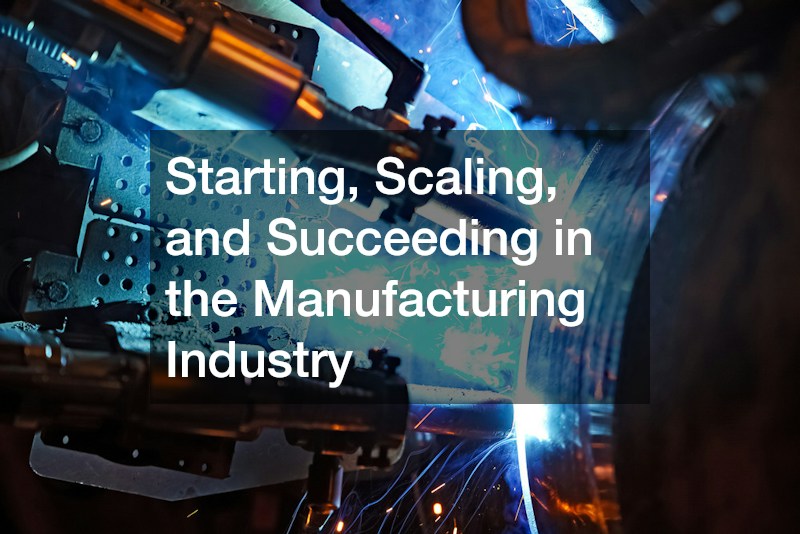
The manufacturing industry stands as a cornerstone of global economies, continually evolving with technological advancements. This sector’s importance is underscored by its role in job creation, innovation, and economic stability. As we navigate the complexities of the modern-day manufacturing landscape, understanding its dynamics is crucial for growth and sustainability.
1. What is Micro Manufacturing and its Advantages?
Micro manufacturing, an innovative approach, refers to the production of extremely small and often complex components. Emerging technologies such as 3D printing and nanoprecision tooling have made this possible, creating new opportunities in industries like healthcare and electronics. The precise and efficient capabilities of micro manufacturing set it apart from traditional methodologies.
The advantages of micro manufacturing are vast, offering benefits like reduced material waste and increased precision. Companies can produce bespoke, intricate parts with lower energy consumption, thus catering to niche markets efficiently. This approach dramatically reduces overall manufacturing costs while maintaining high-quality standards.
Moreover, micro manufacturing enables rapid prototyping and accelerated product development cycles. This agility allows companies to respond quickly to changing market demands and stay competitive. Embracing these techniques can provide significant competitive advantages in a rapidly evolving industrial landscape.
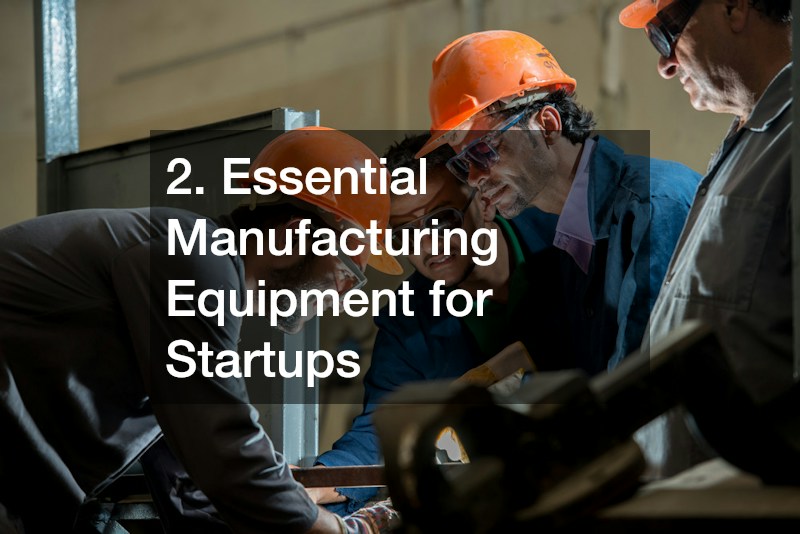
2. Essential Manufacturing Equipment for Startups
For startups entering the manufacturing sector, selecting the right equipment is crucial for operational success. Cost-effective choices, such as used or refurbished machinery, allow for significant savings while maintaining efficiency. It is vital to balance initial investment with long-term operational goals.
Equipment like CNC machines and 3D printers are excellent choices for startups seeking versatility and scalability. These tools enable precision manufacturing across various applications, supporting diverse product lines. Additionally, modular equipment that can grow alongside the business can optimize expenditures and space utilization.
Investing in high-impact Manufacturing Equipment enhances overall efficiency, leading to better product quality and production speed. Advanced automation and software integrations help streamline processes and minimize manual interventions. This strategic approach to equipment selection lays a solid foundation for long-term success and growth.
3. How to Effectively Scale Manufacturing Operations?
Scaling manufacturing operations requires strategic foresight and careful planning. Growth strategies should focus on increasing production capacity, enhancing product quality, and expanding market reach without overextending resources. Implementing lean manufacturing principles can help in achieving sustained growth.
Challenges such as supply chain management, workforce scaling, and maintaining quality standards can impede growth. Solutions like investing in advanced technologies and leveraging data analytics for informed decision-making can mitigate these issues. Proactive management of these elements ensures a smooth transition from startup to a scaled operation.
Collaboration with industry partners and exploring new market segments can also drive growth. Understanding market demands and agile adaptation helps companies maintain a competitive edge. Robust scaling strategies, supported by innovation and adaptability, pave the way for successful expansion.
4. Exploring Insulated Door Manufacturers
The demand for insulated door manufacturers is on the rise, driven by energy efficiency and enhanced thermal performance needs. Key trends include the integration of smart technologies and sustainable materials. These innovations meet evolving consumer expectations and regulatory demands.
Market demands for insulated door manufacturers are shifting towards customization and eco-friendly options. Manufacturers are investing in research and development to create products that offer superior insulation and environmental benefits. This focus on innovation fuels competitive differentiation within the industry.
Collaboration between manufacturers and architects is becoming more prevalent, driving product innovation. The customization of door systems ensures client satisfaction and compliance with rigorous building standards. Insulated door solutions continue to evolve, offering enhanced functionality and sustainability.
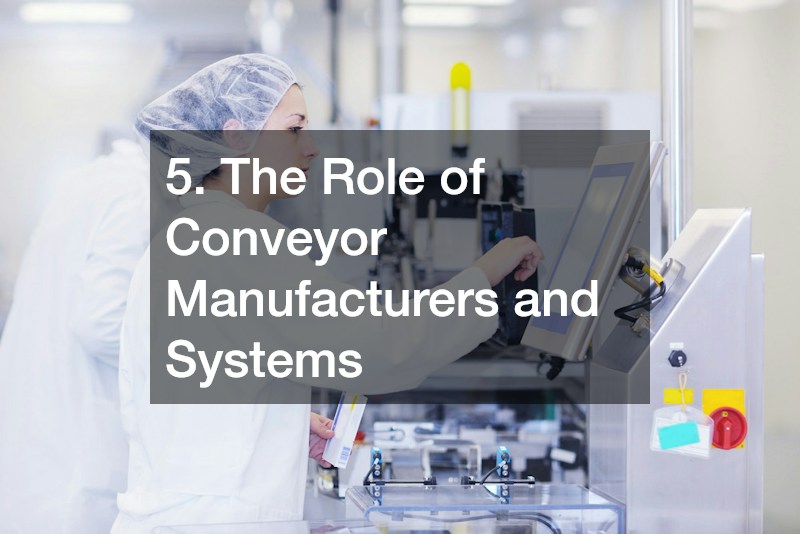
5. The Role of Conveyor Manufacturers and Systems
Conveyor manufacturers and systems play a pivotal role in enhancing efficiency within manufacturing operations. These systems streamline workflow, reduce manual labor, and optimize production timelines. As a result, businesses can achieve improved productivity and cost savings.
Customizing conveyor systems ensures that they meet specific industry and operational needs. Flexibility in design and capability enables businesses to handle variable production demands while maintaining efficiency. This adaptability is essential in today’s rapidly changing manufacturing environments.
Advancements in conveyor technology, including automated and AI-driven solutions, further bolster operational efficiencies. Integrating these innovations can reduce downtime and maintenance costs, enhancing overall profitability. As manufacturing demands continue to evolve, conveyors remain integral to achieving efficient production processes.
6. Lecithin Manufacturing: Processes and Applications
Lecithin manufacturing involves extracting this versatile emulsifier from sources like soy, sunflower, and eggs. The production process incorporates physical extraction and chemical methods, ensuring high purity. Core applications for lecithin span across the food, pharmaceutical, and cosmetic industries.
In the food industry, lecithin serves as an emulsifier and stabilizer, enhancing product textures and extend shelf life. Its pharmaceutical applications focus on drug delivery systems and the development of novel therapeutic formulations. This multifaceted lipid compound remains invaluable across its diverse application spectrum.
Emerging markets are capitalizing on lecithin’s multifunctionality, exploring its potential in biofuels and industrial lubricants. Continued research and development promise to unlock new applications and drive growth within the lecithin manufacturing sector. As industries evolve, so too will the demand for this versatile ingredient.
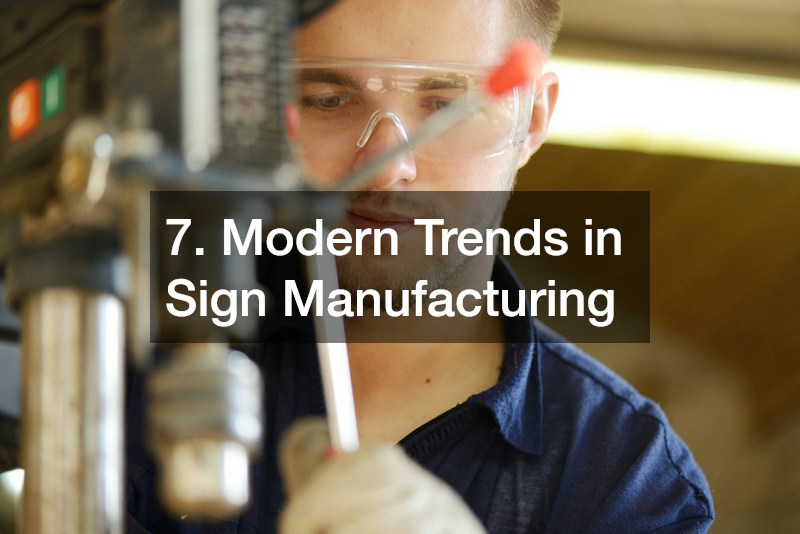
7. Modern Trends in Sign Manufacturing
Modern sign manufacturing embraces digital innovations, offering dynamic and interactive signage solutions. Digital displays, LED technologies, and associated software enable enhanced brand engagement and customer interactions. This evolution reflects the growing emphasis on visual communication in marketing strategies.
Sustainability is another prominent trend, with sign manufacturers adopting eco-friendly practices and materials. Converting to low-energy lighting and recyclable substrates supports long-term environmental goals. Consumers increasingly favor businesses that prioritize environmental responsibility.
The integration of 3D printing and laser cutting in sign manufacturing allows for customized and intricate designs. These technologies enable faster production times and innovative design capabilities. The industry continues to evolve towards smarter, greener, and more aesthetically pleasing signage solutions.
8. Ensuring Fire Safety in Manufacturing Plants
Implementing comprehensive fire safety measures is critical to protecting manufacturing plants and personnel. Prevention-focused strategies include regular inspections, employee training, and maintaining an adequate supply of firefighting equipment. Adherence to these protocols minimizes the risk of costly and potentially devastating incidents.
Compliance with safety regulations and standards, such as OSHA and NFPA, is essential for safeguarding personal and operational integrity. Developing an emergency response plan and conducting regular drills ensures preparedness and swift action during emergencies. A culture of safety awareness further mitigates fire-related risks.
Innovative fire suppression systems and smart monitoring technologies provide enhanced plant protection. Automated systems detect and extinguish fires rapidly, minimizing damage and ensuring workforce safety. Continuous improvement efforts in fire safety align with industry best practices and regulatory requirements.
9. Renting vs Buying Manufacturing Equipment
The decision between renting and buying equipment hinges on factors such as budget, production needs, and long-term goals. Equipment rentals offer flexibility and reduced upfront costs, accommodating fluctuating production requirements without large capital investments. This approach is especially beneficial for startups and projects with limited duration.
On the other hand, purchasing equipment can be cost-effective in the long-term, providing asset ownership and potential tax benefits. Businesses must evaluate their operational stability and projected growth to make an informed decision. Ownership ensures consistent access to essential machinery and reduces dependency on external sources.
Case studies reveal that strategic equipment rentals can offer significant cost savings and operational flexibility. This approach allows companies to stay current with technology without the burden of depreciation. Ultimately, a balanced strategy that aligns with business objectives fosters sustainable competitive profitability.
10. Innovations in Welding for Better Manufacturing
The welding industry is witnessing transformative innovations that drive manufacturing efficiencies and enhance product quality. Cutting-edge welding techniques, such as laser and ultrasonic welding, provide high precision and minimal distortion. These advancements cater to intricate and high-demand manufacturing requirements.
Incorporating advanced welding processes enables improvements in product durability and performance. Automated welding systems increase productivity, reduce labor costs, and ensure consistent quality. These technological developments support diverse industry needs, bolstering competitive advantages.
Training and development of the workforce in emerging welding technologies ensure sustained industry leadership. Investment in skill development and continuous learning fosters a culture of innovation and excellence. These efforts culminate in superior manufacturing outcomes, driving growth and market differentiation.
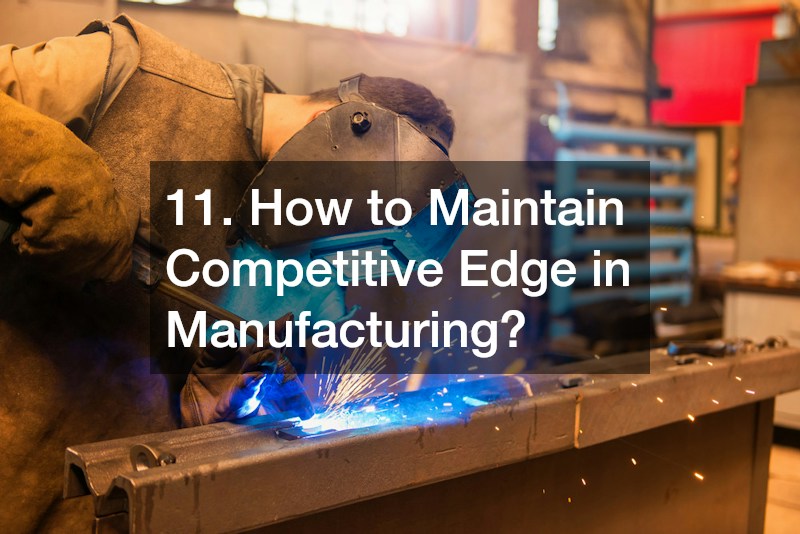
11. How to Maintain Competitive Edge in Manufacturing?
Maintaining a competitive edge in manufacturing demands the adoption of advanced technologies and practices. Businesses must embrace automation, data analytics, and digital transformation to optimize operations. This technological integration plays a crucial role in enhancing efficiency and reducing costs.
Building a skilled workforce is essential to supporting technological advancements and maintaining a competitive position. Continuous training and investment in employee development promote adaptability and innovation. A talent-focused approach fosters an agile, skilled team aligned with business strategies.
Competitive differentiation also stems from research and development initiatives aimed at product innovation. Staying ahead of trends and addressing changing consumer demands ensure sustained relevance. Through strategic foresight and investment, manufacturers can secure and enhance their market position.
12. Meeting the Environmental Standards in Manufacturing
Achieving environmental sustainability is a top priority for today’s manufacturing sector. Implementing sustainable practices, such as waste reduction and resource conservation, is crucial in meeting global environmental standards. Manufacturers who adopt green technologies not only contribute to environmental protection but also achieve cost savings and improve public perception.
Green manufacturing initiatives, including energy-efficient processes and sustainable sourcing, align with consumer expectations and regulatory requirements. Collaboration with stakeholders and adherence to stringent environmental regulations support a cleaner, more sustainable industry. Overcoming environmental challenges requires continuous innovation and commitment.
The transition to renewable energy sources and environmentally friendly materials remains pivotal in achieving sustainability goals. This shift supports cleaner production and reduces ecological footprints across diverse manufacturing sectors. Empowered by continuous improvements, the industry is poised for environmental leadership and resilience.
13. Future Prospects of the Manufacturing Industry
The future of the manufacturing industry is promising, driven by emerging markets and technologies. Developing economies offer new growth opportunities and increased demand for manufactured goods. Manufacturers poised to capitalize on these trends can expand their global footprint and enhance profitability.
Predicting key trends and preparing for change is vital to navigating the evolving industrial landscape. Technological advancements, such as the integration of Industry 4.0, AI, and IoT, will redefine manufacturing processes. Companies that invest in these technologies will enjoy enhanced efficiencies and innovation capabilities.
Preparing for the future entails strategic investments, robust R&D initiatives, and partnerships with technology leaders. By fostering an adaptive and forward-looking culture, manufacturers can successfully embrace change. These efforts position businesses as leaders in an ever-evolving industrial paradigm.
Conclusion
The manufacturing industry finds itself at a pivotal junction in its evolution, marked by rapid technological advancements and the ever-changing demands of the market. This crucial moment in the industry’s lifecycle requires careful consideration and strategic action to navigate successfully. As we delve deeper into this transformative era, several critical factors come to the forefront.
Firstly, strategic planning emerges as an indispensable component for any manufacturing business aiming to secure its future. In an environment where change is the only constant, companies must devise comprehensive strategies that not only accommodate current trends but also anticipate future shifts. These strategies should be dynamic, allowing for adjustments as new challenges and opportunities arise, thereby ensuring that the organization remains competitive and resilient.
In tandem with strategic planning, innovation plays a crucial role in the industry’s advancement. Embracing cutting-edge technologies such as IoT (Internet of Things), AI (Artificial Intelligence), and advanced robotics can greatly enhance efficiency and productivity. These innovations are not merely optional but necessary for keeping pace with global competitors and meeting the sophisticated demands of modern consumers. By fostering a culture of continuous innovation, businesses can unlock new possibilities and chart a course for sustainable success.
Moreover, placing a significant emphasis on sustainability has never been more critical. As environmental concerns increasingly shape consumer behaviors and regulatory landscapes, manufacturing entities must prioritize sustainable practices. This entails reducing waste, enhancing energy efficiency, and utilizing eco-friendly materials to set a standard for responsible production. By integrating sustainability into their core operations, companies not only contribute to a healthier planet but also position themselves as leaders committed to ethical practices, which can strengthen their brand and customer loyalty.
In conclusion, the pathway to success and longevity in the manufacturing sector is paved with strategic foresight, relentless innovation, agile adaptability, and a staunch commitment to sustainability. By embracing these principles, businesses can not only survive but thrive amidst the formidable challenges and exciting opportunities that lie ahead in the manufacturing industry.